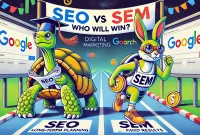

Paid ads can be highly targeted, and with platforms like Google Ads, you only pay when someone clicks on your ad (known as PPC or pay-per-click). So, it’s a great way to maximize your budget while driving results.
How to Dominate Digital Marketing (And Leave Your Competitors in the Dust)
Now that we’ve covered why digital marketing is essential and how it can help your business, let’s get into the nitty-gritty. How can you leverage digital marketing to dominate your niche and leave your competitors in the dust?
The truth is, digital marketing isn’t a one-size-fits-all solution. It requires a strategic approach, a mix of tactics, and continuous testing and optimization. But don’t worry — I’ve got your back. Let’s break it down step by step.
1. Search Engine Optimization (SEO): Get Found on Google
Let’s face it, if your website isn’t showing up on Google, it’s like you’re invisible. SEO is the practice of optimizing your website and content to rank higher on search engine results pages (SERPs). When done right, SEO can bring a ton of organic traffic to your site — for free! 🙌
Here are some key elements of SEO:
- Keyword research: Find out what your audience is searching for and incorporate those keywords into your content.
- On-page SEO: Optimize your website’s titles, meta descriptions, headers, and images.
- Off-page SEO: Build backlinks from reputable websites to improve your site’s authority.
- Technical SEO: Ensure your website loads quickly, is mobile-friendly, and has a clear site structure.
And here’s a long-tail keyword for you to remember: “how to improve website SEO ranking for small businesses”. Don’t forget to focus on long-tail keywords (like that one) because they’re less competitive and more targeted to your audience.
2. Email Marketing: Nurture Leads and Build Relationships
Email marketing is one of the most effective ways to stay connected with your audience and nurture leads into customers. Unlike social media, where your content can get lost in a sea of posts, email goes straight to your subscribers’ inboxes. And, the best part? You own your email list!
Here’s how to get started with email marketing:
- Build your list: Offer something valuable (like an ebook, webinar, or discount) in exchange for email sign-ups.
- Segment your audience: Group your email list based on demographics, interests, or behavior to send more personalized content.
- Create compelling content: Write subject lines that grab attention, and offer content that adds value.
- Call to action (CTA): Always include a clear CTA that tells your subscribers what to do next (buy, click, share, etc.).
When done right, email marketing can give you some of the highest ROI of any digital marketing strategy.
3. Social Media Marketing: Build Your Brand and Engage with Customers
Social media is where the magic happens. Whether it’s Instagram, Facebook, TikTok, or LinkedIn, social media allows you to connect with your audience on a personal level. Here’s how to dominate on social media:
- Choose the right platform: Focus on platforms where your audience hangs out most.
- Create a content calendar: Plan your posts, campaigns, and interactions in advance to stay organized.
- Use hashtags: Hashtags help you reach a larger audience and gain visibility beyond your followers.
- Go live: Live videos get higher engagement, so consider hosting Q&A sessions, product demos, or behind-the-scenes content.
Remember, social media isn’t about being perfect — it’s about being authentic and connecting with your audience in a way that resonates with them.
4. Pay-Per-Click (PPC) Advertising: Drive Targeted Traffic to Your Site
Paid ads can be a game-changer when you need to drive immediate traffic. PPC ads, such as Google Ads and Facebook Ads, allow you to target specific audiences and only pay when someone clicks on your ad.
To run a successful PPC campaign:
- Define your goals: Are you looking for website traffic, leads, or sales?
- Target your audience: Use demographics, interests, and keywords to ensure your ads reach the right people.
- Optimize your landing page: When someone clicks on your ad, they should land on a page that is relevant, easy to navigate, and has a clear CTA.
- A/B test: Continuously test different ads, keywords, and landing pages to improve your results.