
Digital marketing offers numerous benefits:
- Increased Visibility: Your business can be found by people searching online, whether it’s through organic search results (SEO), paid ads, or social media.
- Targeted Marketing: You can fine-tune your marketing efforts to reach exactly the right audience, whether based on location, interests, behavior, or even job titles.
- Cost-Effective: Compared to traditional advertising (TV, radio, print), digital marketing can be much more affordable, especially for small businesses.
- Measurable Results: You can track and analyze campaign performance in real-time, helping you refine strategies and improve ROI.
- Build Brand Authority: Through content and social media, you can establish your business as a trusted expert in your industry.
5. What is SEO, and why is it important?
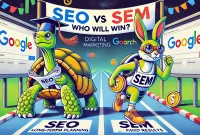
SEO (Search Engine Optimization) is the practice of improving your website so it ranks higher in search engine results pages (SERPs). SEO helps your site get noticed by search engines like Google, which can drive more organic (non-paid) traffic to your website.
SEO is important because it allows you to:
- Appear at the top of search results when potential customers are looking for your products or services.
- Gain more visibility and traffic, which often leads to more sales.
- Establish authority and trust with your audience.
6. What is Content Marketing?
Content marketing involves creating and distributing valuable, relevant, and consistent content to attract and engage your target audience. The goal is to provide useful information or entertainment to your audience, ultimately leading them to take action — whether it’s purchasing a product, signing up for a newsletter, or sharing your content.
Content marketing can include:
- Blog posts
- Videos
- Infographics
- Podcasts
- E-books and whitepapers
- Case studies and testimonials
By offering something of value, you can build trust, increase engagement, and establish your brand as a thought leader in your industry.
7. What are Social Media Marketing and its Benefits?
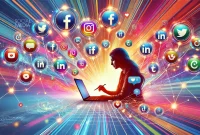
Social media marketing is using platforms like Facebook, Instagram, LinkedIn, Twitter, and TikTok to promote your business, connect with your audience, and drive sales.
The benefits include:
- Building brand awareness: Social media helps spread the word about your products or services to a broader audience.
- Engagement: You can directly interact with your audience by responding to comments, running polls, or sharing user-generated content.
- Customer loyalty: Regular interaction on social media helps nurture relationships and build customer trust.
- Targeted advertising: Social platforms offer powerful targeting options, allowing you to deliver personalized ads based on interests, demographics, and behaviors.
8. How can I use Email Marketing for my Business?
Email marketing is one of the most cost-effective ways to directly communicate with your audience. You can use email marketing to:
- Nurture leads: Send potential customers relevant content to guide them through the sales funnel.
- Promote offers and discounts: Keep your audience informed about sales, product launches, or exclusive deals.
- Maintain customer relationships: Send updates, news, and personalized recommendations to keep customers engaged with your brand.
- Increase repeat sales: Send personalized follow-up emails based on customer behavior, like abandoned cart reminders or post-purchase recommendations.
The key to email marketing success is personalization and segmentation — the more relevant your emails, the higher your open and conversion rates.
9. What is Pay-Per-Click (PPC) Advertising?
PPC advertising is a type of paid online advertising where you pay each time someone clicks on your ad. It’s commonly used in search engine marketing (like Google Ads) and on social media platforms (like Facebook Ads).